Personalized Travel Services for Families with Autism

Traveling can be a wonderful experience, but for families with children on the autism spectrum, it can also present unique challenges. The excitement of exploring new places can be overshadowed by anxiety, sensory overload, and the need for specific accommodations. Fortunately, personalized travel services are emerging to cater to these families, ensuring that their journeys are not only enjoyable but also stress-free. In this blog post, we will explore how tailored travel services can make a significant difference for families with autism, providing practical tips, examples, and insights into creating memorable travel experiences.
Understanding the Needs of Families with Autism
Before diving into the specifics of personalized travel services, it’s essential to understand the unique needs of families with children on the autism spectrum. Each child is different, and their needs can vary widely. Here are some common considerations:
Sensory Sensitivities: Many children with autism have heightened sensitivities to sounds, lights, and crowds. This can make busy airports, loud restaurants, and crowded attractions overwhelming.
Routine and Structure: Children on the spectrum often thrive on routine. Sudden changes or disruptions can lead to anxiety and meltdowns.
Communication Challenges: Some children may have difficulty expressing their needs or understanding social cues, making it essential for travel services to provide clear and supportive communication.
By recognizing these needs, travel services can create tailored experiences that prioritize comfort and enjoyment.
The Role of Personalized Travel Services
Personalized travel services are designed to cater specifically to the needs of families with autism. Here are some ways these services can make a difference:
Customized Itineraries
Travel agencies specializing in autism-friendly travel can create customized itineraries that consider the family's unique needs. This may include:
Choosing Destinations: Selecting destinations that are known for being autism-friendly, such as quieter resorts or attractions with sensory-friendly hours.
Planning Activities: Incorporating activities that align with the child's interests while ensuring they are not overwhelming. For example, scheduling visits to less crowded museums or nature parks.
Sensory-Friendly Accommodations
Finding the right place to stay is crucial for a successful trip. Personalized travel services can help families find accommodations that offer:
Quiet Rooms: Rooms that are away from noise and distractions, allowing for a peaceful environment.
Sensory-Friendly Amenities: Hotels that provide sensory-friendly items, such as weighted blankets or noise-canceling headphones.
Supportive Transportation Options
Transportation can be a significant source of stress for families traveling with children on the spectrum. Personalized travel services can assist in:
Choosing the Right Mode of Transport: Whether it’s a direct flight to minimize travel time or a private car service to avoid crowded public transport.
Providing Assistance: Offering support during check-in and boarding processes to ensure a smooth experience.
Real-Life Examples of Successful Travel Experiences
To illustrate the impact of personalized travel services, let’s look at a few real-life examples of families who have benefited from tailored travel experiences.
The Johnson Family's Trip to Disneyland
The Johnson family, who has a son with autism, wanted to visit Disneyland but were concerned about the overwhelming crowds and sensory overload. They reached out to a travel agency specializing in autism-friendly trips. The agency created a customized itinerary that included:
Early Access to Attractions: The family was able to enter the park before it opened to the public, allowing them to enjoy rides without long lines.
Quiet Zones: The agency identified quiet areas within the park where the family could take breaks when needed.
As a result, the Johnsons had a magical experience without the stress they initially feared.
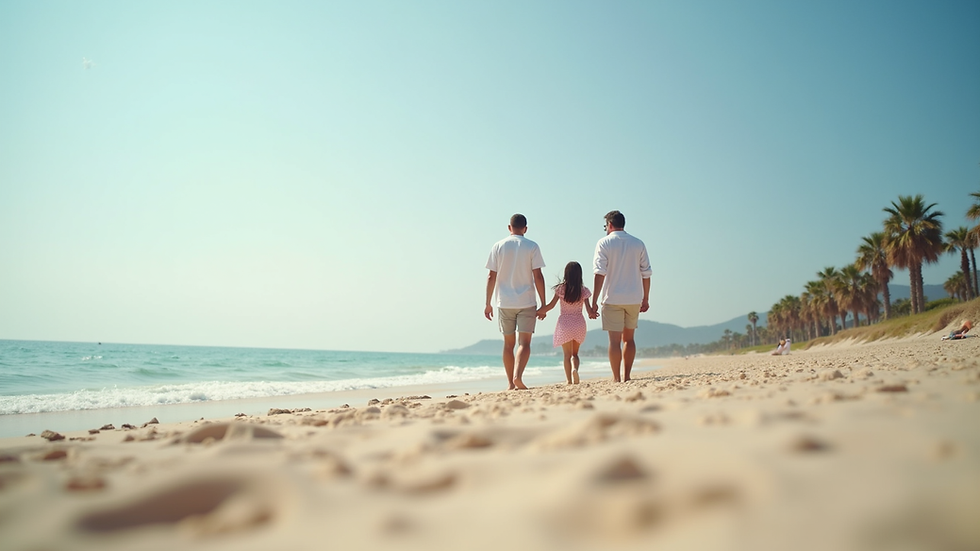
The Smith Family's Beach Getaway
The Smith family sought a relaxing beach vacation but worried about their son’s sensitivity to noise and crowds. They worked with a travel service that helped them find a secluded beach resort with:
Private Cabana Rentals: This allowed the family to enjoy the beach in a quiet, controlled environment.
Sensory-Friendly Activities: The resort offered activities like sandcastle building and nature walks, which were engaging without being overwhelming.
The Smiths returned home rejuvenated and filled with cherished memories.
Tips for Families Traveling with Autism
While personalized travel services can significantly enhance the travel experience, families can also take proactive steps to prepare for their trips. Here are some practical tips:
Prepare in Advance
Create a Visual Schedule: Use pictures and simple words to outline the trip itinerary, helping children understand what to expect.
Practice Travel Scenarios: Role-playing different travel situations can help children feel more comfortable with the process.
Communicate Needs Clearly
Inform Travel Providers: When booking travel, communicate specific needs to airlines, hotels, and activity providers to ensure they can accommodate your family.
Use Social Stories: These can help explain the travel process and what to expect at different stages of the journey.
Pack Sensory Tools
Bring Comfort Items: Items like noise-canceling headphones, fidget toys, or weighted blankets can help children manage sensory overload during travel.
Snacks and Familiar Foods: Having favorite snacks on hand can provide comfort and help ease anxiety during transitions.
The Future of Travel for Families with Autism
As awareness of autism grows, so does the demand for personalized travel services. More companies are recognizing the importance of creating inclusive travel experiences. Here are some trends to watch for:
Increased Training for Travel Staff
Travel providers are beginning to offer training for their staff on how to support families with autism. This includes understanding sensory sensitivities and effective communication strategies.
Development of Autism-Friendly Destinations
More destinations are working to become autism-friendly by implementing sensory-friendly practices, such as quiet hours and sensory-friendly attractions.
Technology Integration
Advancements in technology are making it easier for families to plan and manage their travel experiences. Apps that provide real-time updates on crowd levels or sensory-friendly options can be invaluable.
Conclusion
Traveling with a child on the autism spectrum can be challenging, but personalized travel services are paving the way for more inclusive and enjoyable experiences. By understanding the unique needs of these families and providing tailored solutions, the travel industry is making strides toward creating memorable journeys for everyone.
If you’re planning a trip, consider reaching out to a travel service that specializes in autism-friendly travel. With the right support, your family can embark on a journey filled with joy, exploration, and cherished memories. Start planning today and discover the world together!


Comments